Cognitive Behavioral Therapy (CBT) is a structured, goal-oriented psychotherapy that focuses on identifying and changing negative thought patterns to improve emotional regulation and develop personal coping strategies for solving current problems.
But what happens when we merge the clinical exactness of CBT with the boundless, abstract nature of art?
.jpg)
Art as a Mirror
Art serves as a mirror. When you look at Jan Vermeer's or Rembrandt's works, you're not just seeing paint on a canvas; you're seeing human emotion captured in time.
- Identify: In CBT, we pinpoint the specific situation or problem. In art, we find the focal point.
- Awareness: Notice the automatic negative thoughts. In art, notice the shadows and highlights.
- Label: Identify the specific emotions. What is the subject feeling?
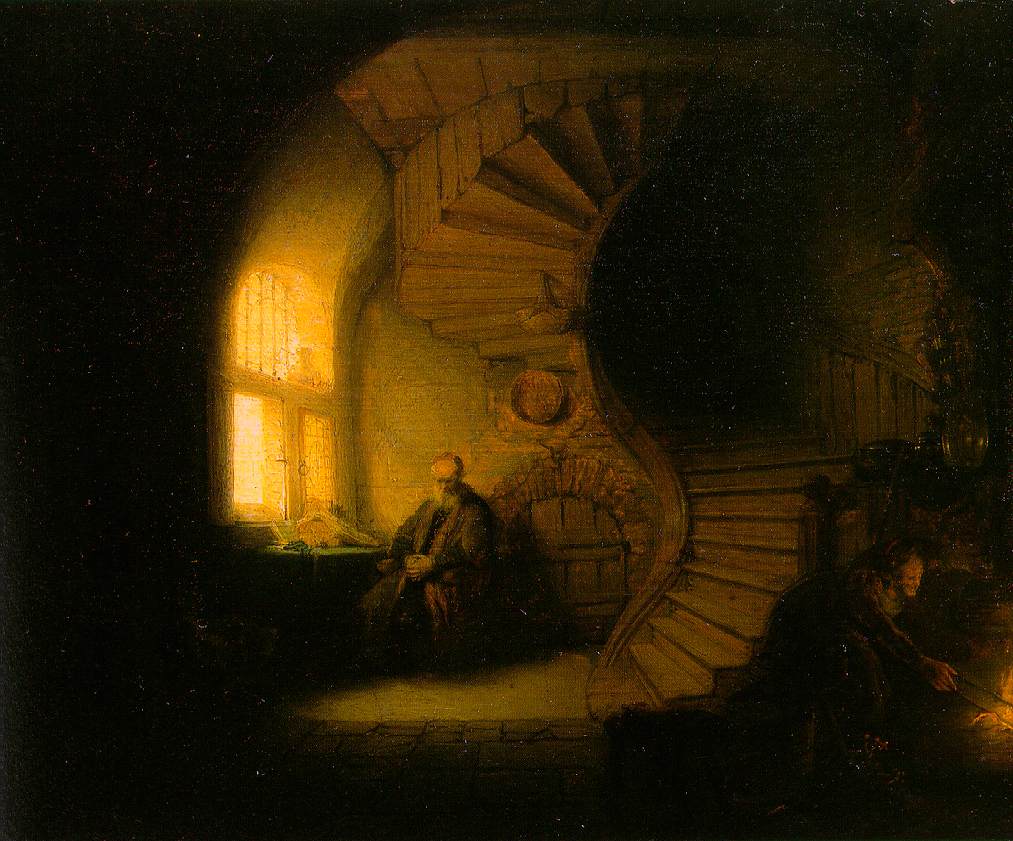
"Being free is that easy and entirely in your hands, just like you just did; it's just that the process takes longer."
Reframing the Perspective
By looking at objective evidence—much like examining the brushstrokes of a masterpiece—we can reframe our distorted thoughts with more balanced and realistic ones.
- Negative Thought: "I am completely overwhelmed and lost."
- Reframed Thought: "I am navigating a complex situation, much like an artist working through a difficult composition."
Test this new perspective. Put it into practice. Observe the change in your feelings. The canvas of your mind is yours to paint.